


Campaign & Policy Priorities
At The IBC Network UK, we push for better information, targeted research, faster diagnosis and effective treatment guidelines for Inflammatory Breast Cancer (IBC) across the UK. That means running awareness campaigns, engaging government and the NHS, and mobilising supporters to improve outcomes for everyone affected by IBC.

Wear It Orange
Wear It Orange is our awareness movement to highlight more common symptoms of inflammatory breast cancer (dimpling/thickening of the skin similar to orange peel, or peau d’orange).
It centres on IBC Awareness Day, which takes place each year on 4th October, during Breast cancer Awareness Month.
But we encourage you to Wear It Orange at any time of the year.
Join us to spark conversations, share symptoms knowledge and help people get timely care.
We are the Orange in the Pink!
Key Issues & Policy Gaps
-

LACK OF SPECIFIC IBC DATA
- Inflammatory breast cancer (IBC) is not currently recorded as a separate diagnosis in national cancer registries. This makes it difficult to understand how many people are affected, their outcomes and what services they need.
- There is no specific ICD-10 code for IBC. ICD-10 is the international system used to classify and record diseases.
- NHS data systems do not currently separate IBC from other types of breast cancer, which limits progress in research, policy, service planning and improvement.
- Without a dedicated ICD code or accurate data analysis, IBC cases are often hidden within broader breast cancer statistics, making it harder to identify trends or allocate resources effectively.
-

GAPS IN SCREENING & DIAGNOSIS PATHWAYS
- IBC is often not detected by mammograms. Planned AI mammography trials are unlikely to help people with IBC.
- People with IBC symptoms sometimes receive “no lump detected” letters without clear guidance on next steps, such as ultrasound or biopsy.
- IBC is often misdiagnosed as mastitis, an infection of the breast. This can delay treatment and lower chances of survival.
-

LIMITED ACCESS TO EXPERTISE
- There are currently no NICE (National Institute for Health and Care Excellence) guidelines specifically for IBC to standardise urgent, evidence-based care.
- There are no UK specific IBC guidelines. Adherence to the International Standard of Care for IBC is recommended, but optional.
- The UK has only one NHS clinic dedicated to IBC, based in Birmingham. The IBC clinic is led by a consultant oncologist and consultant breast surgeon, and supported by a specialist cancer nurse (CNS), with access to radiology experts, allied health professionals and clinical researchers.
What can you do to help?
Telling your story on our website
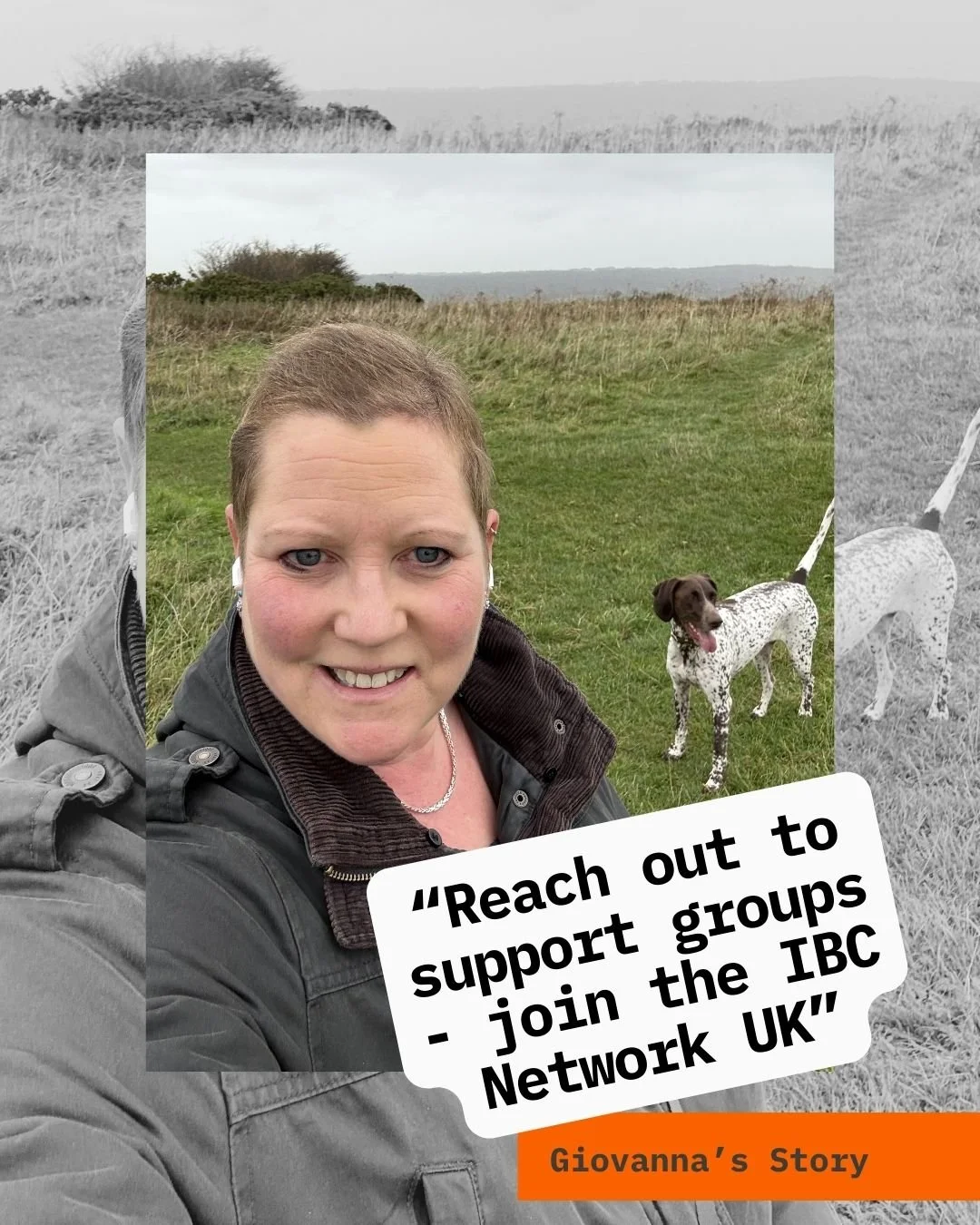
Share awareness of IBC
Sharing IBC symptom information and our Wear It Orange resources on social media. Talk about the Orange breast cancer and the inequalities of funding.


Want to do something more?
Writing to your MP about the policy actions above. Contact us to get involved—we’ll keep you updated on concrete actions you can take. We won’t share your details with anyone else. Read how we protect your data in our Privacy Policy.
